


User generated content, often shortened to UGC, means any text, video, image, or review made by everyday people rather than by brands.
When you hear someone ask, “what is user generated content,” the simplest answer is this: content created by users, shared publicly, and later used by companies for marketing.
The definition of user generated content covers product reviews on Amazon, customer photos on Instagram, TikTok reels made with a brand’s item, or even blog posts praising a service.
What is meant by user generated content goes beyond the format itself. It signals trust, social proof, and authenticity.
Unlike polished ads, this type of content shows products in daily life. People believe it because it comes from real experiences, not scripted pitches.
When you see someone post a reel with shoes they bought last week, you view it as credible. This explains why more brands depend on UGC to support their digital marketing strategies.
UGC connects with audiences because it reflects actual usage, not staged promotions. The rise of TikTok and Instagram reels has accelerated this shift.
Social media platforms reward organic, relatable posts, and UGC fits perfectly into that environment.
Brands that understand this trend are moving budgets away from traditional advertising and toward user involvement, interactive platforms, and content creation that feels human.
Understanding User Generated Content (UGC)
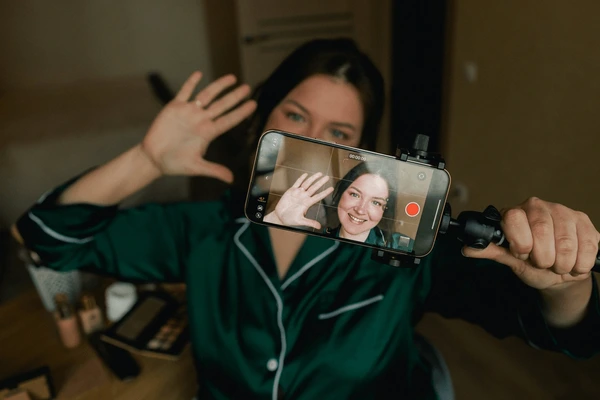
User generated content UGC means material created by regular people instead of brand teams.
In marketing, the phrase UGC user generated content includes photos, short videos, blog posts, reviews, or even memes.
Every form of UGC reflects how people engage with products naturally. Instead of polished ad campaigns, you see raw, personal pieces that customers create and share online.
For a brand, these contributions show authentic reactions. For users, it’s a way to create content that feels real and relatable.
The Definition of User Generated Content
The definition of user generated content describes any creative work shared publicly by someone outside of a business.
What is meant by user generated content is simple: photos, videos, reviews, or blog posts posted without direct payment or scripted instruction. A traveler uploading a mountain photo and tagging a trekking agency qualifies as UGC.
A student posting their experience with a new app also counts. This definition highlights one idea: creators outside the brand provide authentic voices.
The Rise of UGC in Digital Marketing
UGC has become central to digital marketing strategies worldwide. Businesses use it in content marketing campaigns because it blends social proof with relatability.
Platforms encourage social networking and thrive on interactive platforms like TikTok or Instagram, where short reels perform better than glossy ads. Traditional advertising looks staged, while UGC appears natural.
The shift proves that digital marketing depends on authentic content that resonates with social media users instead of only relying on scripted campaigns.
Different Types of User Generated Content
There are different types of user generated content across platforms. Each format allows social media users to tell stories in unique ways.
Whether it’s a quick comment, a reel, or a hashtag challenge, every form adds to digital storytelling.
On social media platforms, variety keeps audiences engaged while giving brands a library of authentic material to reuse.
Text-Based Content (Reviews, Blog Posts, Comments)
One of the earliest forms of UGC comes from words.
User contributions like reviews, testimonials, and forum discussions build trust for potential buyers. Blog posts written by fans or communities show deep user involvement with products.
A single detailed review often convinces more than polished brand messaging. Text carries credibility because it feels raw and unbiased.
Visual Content (Photos, Reels, Stories)
Today’s strongest UGC sits in visuals. Everyday people create content like product photos, Instagram stories, or quick reels. These uploads thrive on social media channels such as Instagram, TikTok, and Snapchat.
Visual content creation connects instantly, showing products in real-life settings. A photo of trekking boots on a muddy trail says more than a polished catalog image.
Video Content (Reels, TikTok, UGC Ads)
Short-form video dominates UGC today. Brands use it to explore what is video marketing without high production costs.
TikTok clips, YouTube Shorts, or UGC-style ads highlight everyday use cases. Here, the role of the UGC creator stands out, and platforms like UGC Creator Nepal link brands to creators ready for paid collaborations.
Video offers authenticity at scale while driving direct results.
Campaign-Driven UGC (Challenges & Hashtags)
Another format comes through group effort.
Marketers launch UGC campaigns that invite participation using branded hashtags. People join by filming, snapping, or posting their version of the challenge. This crowdsourcing approach works on interactive platforms, creating viral movements that brands could never script alone.
A successful challenge not only generates thousands of posts but also boosts brand awareness far beyond paid reach.
Why User Generated Content Works

Brands rely on UGC because it drives results traditional ads rarely reach.
UGC adds authenticity, creates social proof, fuels user engagement, and keeps digital storytelling alive.
Each of these factors explains why companies replace polished campaigns with content from real people.
Authenticity and Trust-Building
People sense when something feels staged.
Traditional advertising often looks forced, with models and scripted messaging. In contrast, user contributions highlight genuine use cases.
Authentic posts from real customers help others believe in the brand. This level of authenticity beats even the most expensive commercial because audiences relate to people, not polished edits.
Driving Social Proof & Purchase Decisions
UGC influences how buyers think.
Seeing peers recommend products creates social proof. Once a few friends or influencers share their experience, potential customers feel more confident.
This drives faster purchase decisions than banner ads or paid posts. A TikTok haul or product review carries more weight than a billboard because it feels like advice, not marketing.
Boosting Engagement & Brand Loyalty
Strong campaigns encourage repeat participation. When brands invite feedback, comments, or duets, they create active user engagement.
That builds two-way communication instead of one-sided messaging. Over time, this improves brand loyalty because customers feel part of the journey.
Social networking features like tagging, duets, and resharing make interactions consistent, keeping the community tied to the brand.
User Generated Content in Marketing Strategies
User generated content marketing has moved from a side tactic to a core marketing strategy.
Brands no longer rely only on ads made by agencies. Instead, they mix UGC into their marketing efforts because people respond to authentic voices.
UGC vs Traditional Advertising
Old campaigns used traditional advertising like print, TV, and radio.
These were expensive, slow to produce, and one-directional. Audiences today want dialogue, not monologue. UGC makes that shift possible.
- Traditional marketing efforts: Controlled, costly, polished.
- UGC-driven strategies: Organic, fast, relatable.
When comparing results, UGC often outperforms.
Reviews and real-time videos create stronger impressions than billboard slogans. Brands get ongoing feedback while keeping costs lower.
How Brands Promote UGC
Good UGC is useless if brands fail to promote it. Smart companies showcase creator posts across social media channels, websites, and ads.
A few proven marketing strategies include:
- Featuring customer reviews on product pages.
- Reposting UGC to Instagram Stories and TikTok.
- Running contests where people submit content under branded hashtags.
- Combining UGC clips into paid ads for broader reach.
User generated content promotion ensures visibility while multiplying trust. Once content spreads across networks, it attracts more creators to contribute.
This cycle strengthens brand identity and reduces reliance on scripted advertising.
Role of UGC Creators and Platforms
Who Are UGC Creators?
A UGC creator is someone who produces original, unpaid-style content that feels authentic, yet is crafted for brands.
Instead of chasing fame, these creators focus on content creation that looks natural and trustworthy. Their role in marketing comes from user involvement.
They put themselves in the shoes of regular buyers and showcase how products fit daily life.
Unlike influencers who rely on their follower count, UGC creators are judged by skill. They know how to shoot clean videos, take crisp photos, and write captions that connect.
For brands, this means a steady flow of relatable content without the inflated price tags.
How Platforms Like UGC Creator Nepal Help Brands
Platforms make the bridge between creators and companies smoother. UGC Creator Nepal is one such platform built to connect local talent with businesses.
Instead of brands hunting through feeds, they can tap into a ready network of creators already skilled in UGC.
Key benefits for brands include:
- Access to creators across social media platforms.
- Quick setup for content campaigns using branded hashtags.
- Direct connection with motivated social media users who know trends.
- Flexible budgets without agency overhead.
By using a structured platform like UGC Creator Nepal, companies secure quality content and save time.
The platform supports brands while empowering creators with paid opportunities.
How to Start Leveraging UGC Today
For Brands
Getting started with user generated content is easier than it sounds. Brands already have customers talking, posting, and sharing.
The key is turning those conversations into assets for your campaigns.
Steps for brands:
- Encourage contributions – Ask buyers to leave reviews, share stories, or post photos. Simple prompts increase user involvement.
- Spot authentic content – Look for posts that show real use of your product. That’s the social proof new audiences believe.
- Reuse content smartly – Share UGC across websites, ads, and social networking channels. This multiplies reach with little extra work.
- Engage contributors – Thank creators, feature them, or send perks. This builds loyalty while boosting marketing efforts.
- Use UGC campaigns – Run contests, hashtags, or challenges to spark fresh ideas and attract potential customers.
With these steps, brands gather material that feels human, relatable, and far more trustworthy than polished ads.
For Aspiring UGC Creators
New creators often hesitate because they think they need followers. The truth: businesses seek talent that can create content which looks authentic and persuasive.
You don’t need fame to start.
Practical advice for beginners:
- Focus on basics – Good lighting, clear audio, and simple framing.
- Practice with products at home – Show how items fit into everyday use.
- Engage online – Share samples of your work to build user engagement and prove your style.
- Join networks – Platforms like UGC Creator Nepal give you direct access to brands looking for local creators.
- Think of value – Every reel, story, or review you make helps a brand connect with its audience.
Aspiring UGC creators should view this as a career path.
With demand for authentic videos growing, every skill learned now turns into opportunities later.
Final Thoughts – The Future of UGC
User generated content has shifted from being an extra in campaigns to becoming the centerpiece of digital storytelling.
What makes it powerful isn’t expensive gear or scripted ads, but genuine user contributions that speak louder than any slogan.
Every photo, review, or reel shows how real people experience products. That human touch builds trust faster than polished commercials.
As platforms evolve, brands will rely more on communities and less on one-way messaging. Future campaigns will look like collaborations where audiences fuel content creation instead of being passive viewers.
For creators, this means endless opportunities to partner with businesses. For marketers, this means scalable, authentic content at lower costs with stronger results.
The next phase of marketing belongs to UGC.
Want to keep up with the latest in UGC and content marketing?
Subscribe for updates and explore opportunities with UGC Creator Nepal.